Claim Your Free Roofing Estimate
What Drives the Bottom Line on Your Roof Replacement Project?
The cost to replace a residential roof in Vancouver, WA, typically falls between $8,500 and $28,000 for most homes, with the majority of projects landing in the $12,000 to $18,000 range. That wide span reflects the unique combination of variables at play in every roof replacement project: square footage, material choice, roof complexity, and labor requirements.
Roof size drives a significant portion of the total price. Most Vancouver homes range from 1,200 to 2,500 square feet of roof surface, which is often larger than the home’s footprint due to pitch and overhang. A simple 1,500-square-foot asphalt shingle roof may cost $9,000 to $12,000, while a 2,500-square-foot home with multiple valleys, dormers, or steep slopes can easily reach $20,000 or more.
Roof complexity matters just as much as size. A straightforward gable or hip roof with few penetrations (vents, chimneys, skylights) requires less labor and generates less waste than a roof with multiple planes, steep slopes, or intricate flashing details. These features increase both material needs and the hours required to complete the installation safely and correctly.
Labor costs in the Vancouver and Portland metro area reflect the region’s demand for skilled roofing services. In 2026, labor accounts for roughly 40 to 50 percent of the total project cost. Quality installation matters: poorly installed roofing can fail prematurely, leading to leaks, structural damage, and the need for costly emergency roof repair services down the line.
Finally, removal and disposal of your existing roof adds to the baseline. Tearing off one layer of asphalt shingles typically costs $1 to $2 per square foot, but if your home has multiple layers or heavier materials like old shake or tile, that figure climbs. Disposal fees vary by the weight and type of debris, and local dump fees in Clark County can fluctuate depending on current landfill rates.
Asphalt, Metal, or Composite: How Material Choice Shapes Your Budget
The roofing material you choose is the single largest variable in your total cost. Each material brings a distinct price point, lifespan, and performance profile, and understanding these differences helps you make an informed decision that aligns with your budget and long-term goals.
Asphalt shingles remain the most common choice for residential roofing services in Vancouver. Three-tab shingles, the most economical option, run $90 to $120 per square (100 square feet), while architectural or dimensional shingles range from $120 to $200 per square. Architectural shingles offer better wind resistance, longer warranties, and a more dimensional appearance, making them the preferred choice for homeowners seeking a balance of cost and durability. Expect a typical asphalt shingle roof replacement to cost between $4.50 and $7.50 per square foot installed.
Metal roofing has gained popularity in the Pacific Northwest due to its longevity and weather resistance. Standing-seam metal roofs cost $10 to $16 per square foot installed, while metal shingle or tile profiles range from $8 to $14 per square foot. Although the upfront cost is significantly higher than asphalt, metal roofs can last 40 to 70 years with minimal maintenance, often outliving two or even three asphalt roof cycles. For homeowners planning to stay in their home long-term, metal roof replacement services can deliver better lifetime value.
Composite and synthetic materials occupy the middle ground. Rubber slate, synthetic shake, and composite tile options mimic the look of premium materials at $7 to $12 per square foot installed. These products offer excellent durability and often carry warranties of 30 to 50 years, making them a viable alternative for homeowners who want the aesthetic of natural materials without the weight, cost, or maintenance challenges.
Premium options like natural slate, clay tile, and cedar shake push costs well beyond $15 per square foot and may require structural reinforcement to support the additional weight. While visually striking, these materials are less common in Vancouver due to cost and the engineering challenges they introduce. Most homeowners find that high-quality architectural shingles or metal roofing deliver the best combination of performance, aesthetics, and cost-effectiveness for the local climate.
Permits, Repairs, and Surprises: What the Estimate Doesn’t Always Show
Even the most carefully planned roof replacement budget can be caught off guard by hidden costs and local factors that only become apparent once the project is underway. Understanding these variables ahead of time helps you set realistic expectations and avoid unpleasant surprises.
Permits and inspections are required for nearly all residential roof replacement projects in Vancouver. The city of Vancouver and Clark County require building permits for roof replacements, which typically cost $200 to $600 depending on the scope of work and the home’s assessed value. Inspections ensure the new roof meets current building codes, including proper ventilation, flashing, and fastening. Skipping permits may seem like a cost-saving shortcut, but it can lead to fines, complications during resale, and insurance claim denials if future damage occurs.
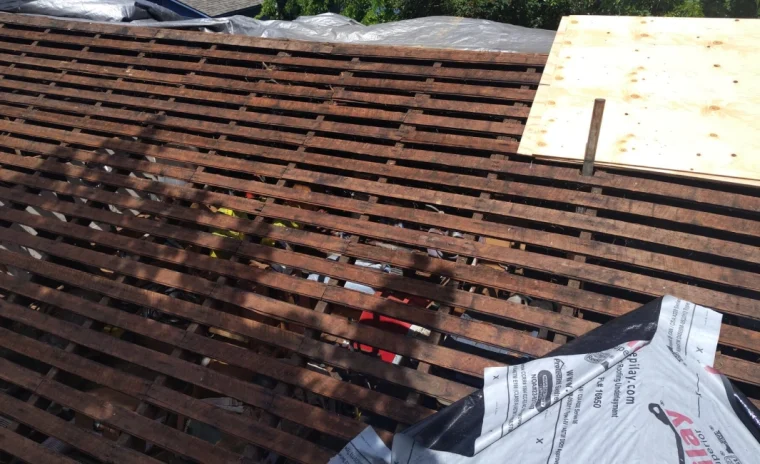
Structural repairs often emerge once the old roofing is removed. Rotten or damaged decking, compromised rafters, and insufficient ventilation are common issues in older Vancouver homes, especially those that have experienced prolonged exposure to the region’s wet winters. Replacing damaged plywood or OSB decking costs $2 to $4 per square foot, and more extensive framing repairs can add $1,000 to $5,000 or more to the project. A thorough roof inspection before the project begins can help identify potential issues, but some problems only become visible after tear-off.
Seasonal demand plays a meaningful role in pricing and availability. Late spring through early fall is peak season for roofing services in the Vancouver and Portland metro area. During these months, contractors are booked weeks or even months in advance, and pricing reflects that demand. Scheduling your project in late fall or winter, when weather windows are narrower but demand is lower, may yield more competitive pricing and faster scheduling, though rain delays become more likely.
Debris removal and disposal is another line item that varies by project. A typical residential roof generates one to three tons of waste, and disposal fees range from $300 to $800 depending on the material type and the number of dump runs required. If your property has limited driveway access or requires special equipment to load debris, expect additional charges.
Finally, unexpected upgrades or code compliance issues can add cost. Homes built before modern energy codes may require additional ventilation, insulation baffles, or drip edge installation to meet current standards. While these upgrades add to the upfront cost, they improve the roof’s long-term performance and help prevent moisture problems that lead to expensive roof damage repair later.
How to Plan, Pay, and Protect Your Investment Over Time
Once you understand the cost drivers and material options, the next question becomes: how do you pay for it, what protection do you get, and how do you know if you’re getting good value?
Financing options have expanded significantly in recent years. Many roofing companies now offer in-house financing or partner with third-party lenders to provide payment plans with terms ranging from 12 to 60 months or longer. Interest rates vary based on credit score and loan term, but promotional offers with deferred or zero-percent interest for a set period are common. Homeowners with strong equity may also consider a home equity line of credit (HELOC) or a cash-out refinance, which often carry lower interest rates than unsecured financing. The key is to compare the total cost of borrowing, not just the monthly payment, and to ensure the loan term aligns with the roof’s expected lifespan.
Warranties fall into two categories: material warranties and workmanship warranties. Material warranties are provided by the manufacturer and typically cover defects in the shingles, metal panels, or other roofing products. These warranties range from 20 years for basic three-tab shingles to 50 years or even lifetime coverage for premium architectural shingles and metal roofing. However, many manufacturers require specific installation practices and regular maintenance to keep the warranty valid, so read the fine print carefully.
Workmanship warranties are provided by the roofing contractor and cover installation errors, flashing failures, and other labor-related issues. A solid workmanship warranty should last at least five to ten years and be transferable if you sell your home. Be cautious of contractors who offer only a one- or two-year workmanship guarantee, as this may indicate a lack of confidence in their installation quality. Quality roofing installation is the foundation of a long-lasting roof, and a strong warranty reflects that commitment.
Return on investment (ROI) is another important consideration, especially if you plan to sell your home within the next few years. According to recent remodeling studies, a new roof typically recoups 60 to 70 percent of its cost at resale in the Pacific Northwest, with higher returns for homes in desirable neighborhoods or those where the old roof was visibly worn. Beyond resale value, a new roof reduces the risk of leaks, lowers homeowner’s insurance premiums, and can improve energy efficiency if paired with proper attic ventilation and insulation.
Finally, remember that the lowest bid is rarely the best value. A roof replacement is a multi-decade investment, and cutting corners on materials or installation to save a few thousand dollars upfront often leads to premature failure, water damage, and the need for emergency roofing services. Look for contractors who provide detailed, written estimates, use quality materials, and stand behind their work with strong warranties and verifiable references.
Getting an Accurate Estimate and Choosing the Right Partner for Your Roof
Once you understand the cost drivers and material options, the next question becomes: how do you pay for it, what protection do you get, and how do you know if you’re getting good value?
Financing options have expanded significantly in recent years. Many roofing companies now offer direct payment plans with zero percent interest for qualified buyers over twelve to eighteen months, which can ease the immediate burden without adding finance charges. Home equity lines of credit remain a popular choice for larger projects, offering lower interest rates than personal loans and potential tax advantages. Some homeowners opt to fold roof replacement into a larger home improvement loan, particularly if other upgrades are planned simultaneously. For urgent replacements following storm damage, insurance claims may cover a substantial portion of the cost, though deductibles and coverage limits vary widely by policy.
Warranties fall into two categories: material warranties provided by the manufacturer, and workmanship warranties provided by the contractor. Material warranties typically range from twenty to fifty years depending on the product grade, but the fine print matters. Many warranties are prorated, meaning coverage decreases over time, and most exclude damage from improper installation, neglect, or acts of nature. Workmanship warranties protect against installation errors and typically last five to fifteen years. A contractor who stands behind their work will offer a robust workmanship guarantee and clearly explain what is and is not covered before you sign.
Value is not always proportional to price. A mid-range asphalt shingle roof installed correctly will outperform a premium material installed poorly. When evaluating bids, look beyond the bottom line. Does the estimate include tear-off and disposal? Are underlayment and flashing upgrades included, or are they listed as optional add-ons? Will the crew protect landscaping and clean the site daily? A slightly higher bid that includes these elements often represents better long-term value than a low bid that leaves you managing extra costs and cleanup.
Return on investment varies by material and market conditions. Asphalt shingle replacements typically recoup sixty to seventy percent of their cost at resale, while metal roofs can recover seventy-five to eighty-five percent, particularly in markets where durability and energy efficiency are valued. In Vancouver’s competitive real estate environment, a new roof signals to buyers that the home has been maintained, often shortening time on market and reducing negotiation friction.